Revolutionizing Pet Control: Microchipping & GPS Innovations
In an era where technology permeates every aspect of our lives, domestic animal control is experiencing a revolution. This article delves into groundbreaking innovations like microchipping, GPS tracking, and advanced data management systems, all designed to enhance pet identification and improve the welfare of our furry companions. As lost pets are a persistent challenge, these tools not only streamline the recovery process but also pave the way for a future where domestic animal control becomes more efficient and humane.
Join us as we explore unique insights into how these technologies are reshaping pet ownership, offering peace of mind for owners and better safety for animals. With ongoing developments in this field, the story doesn’t end here—stay tuned to discover what’s on the horizon for domestic animal control!
Introduction
In New Zealand, pet ownership is a significant part of the culture, with approximately 64% of households owning at least one pet, according to the New Zealand Pet Food Manufacturers Association. This translates to millions of beloved furry companions, ranging from dogs and cats to rabbits and birds. However, with such a high number of pets comes the responsibility of ensuring their safety and well-being, which is where domestic animal control becomes crucial.
Domestic animal control refers to the management and regulation of pets and other domestic animals to ensure their welfare, safety, and that of the community. This includes identifying lost pets, preventing strays, and ensuring responsible ownership practices. The importance of effective domestic animal control cannot be overstated, as it plays a vital role in safeguarding pets and promoting public safety. In recent years, technological innovations have emerged as powerful tools in enhancing domestic animal control, making it easier for pet owners to keep track of their animals and reunite with them if they go missing.
The purpose of this article is to explore the latest advancements in technology that are revolutionizing domestic animal control in New Zealand. We will delve into three primary innovations: microchipping, GPS tracking, and data management systems. Each of these technologies offers unique benefits that enhance pet identification and safety, addressing the challenges pet owners face in managing their animals.
In this article, we will cover the following topics:
- The importance of domestic animal control in New Zealand, including current statistics and community impact.
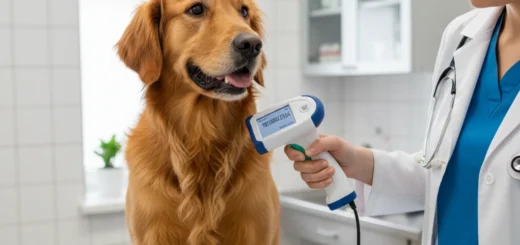
- Microchipping as a game-changer for pet identification, detailing its functionality, benefits, and recent legislation.
- The role of GPS tracking in keeping pets safe, discussing its features and real-life applications.
- The significance of data management systems in improving the efficiency of animal control and enhancing communication between pet owners and services.
- The role of technology in promoting responsible pet ownership and community engagement.
- The challenges and considerations associated with the adoption of these technologies, including privacy concerns and ethical considerations.
As we navigate through these topics, we will highlight how these technological innovations not only improve domestic animal control but also contribute to wildlife protection efforts. By ensuring that domestic animals are properly identified and tracked, we can reduce the incidence of strays that may pose risks to local wildlife and ecosystems. With this comprehensive understanding, pet owners in New Zealand can make informed decisions about utilizing these technologies to enhance the safety of their pets while contributing to broader environmental conservation efforts.