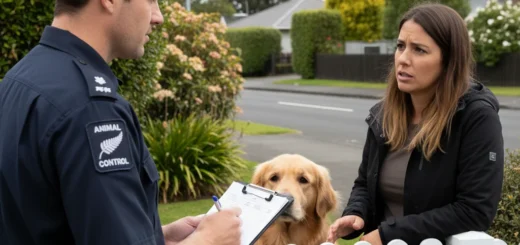
Animal control in Hamilton, NZ, is a multi-agency responsibility where the Hamilton City Council manages dog nuisances, aggression, and wandering stock, while the SPCA handles animal welfare and cruelty cases. For pest management issues involving rodents or insects, residents must engage private exterminators, whereas the Department of Conservation handles native wildlife emergencies.
Quick Links: Immediate Action Required
For residents in Hamilton and the wider Waikato region, time is often of the essence when dealing with animal control issues. Whether you are dealing with an aggressive dog, a wandering cow on a rural road, or a noise complaint, knowing the correct channel prevents delays. Below are the direct pathways for the most common transactional queries associated with animal control Hamilton NZ.
- Report a Dog Attack or Aggression: Call Hamilton City Council (HCC) immediately on 07 838 6699 (24/7 coverage).
- Pay Dog Registration: Access the HCC Online Services portal (Note: Deadlines usually fall on July 31st annually).
- Report Animal Cruelty: Contact the SPCA immediately.
- Report Wandering Stock: Call the Council immediately if the stock is on a public road, as this is a safety hazard.
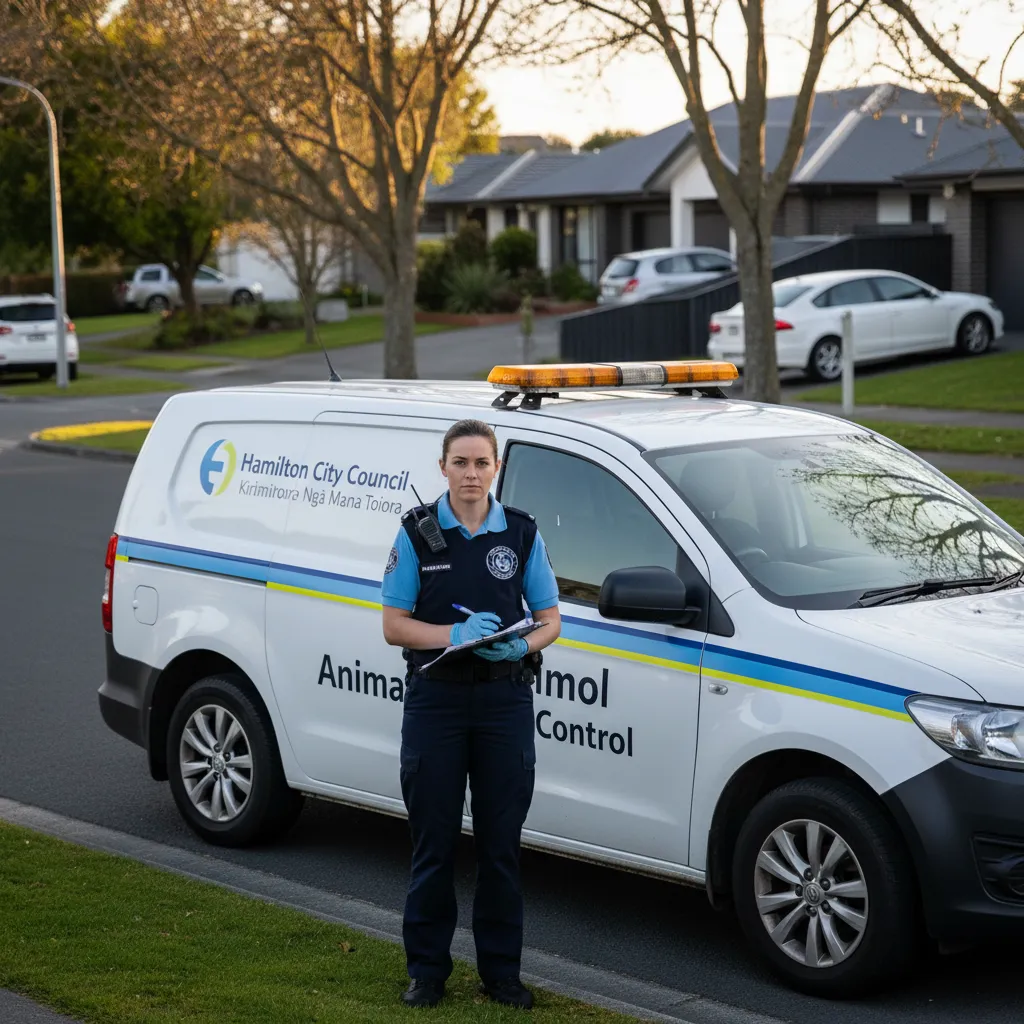
Who to Call? Council vs. SPCA vs. Private
One of the most common frustrations for Hamilton residents is contacting the wrong agency. New Zealand’s framework for animal management is decentralized. To ensure your issue is resolved quickly, you must identify the nature of the problem first.
When to Call Hamilton City Council (Animal Education and Control)
The local council is your primary contact for regulatory issues and public safety concerns regarding domestic animals and stock. Their authority comes from the Dog Control Act 1996 and local bylaws.
- Barking Dogs: Persistent noise nuisances.
- Roaming Dogs: Animals wandering without an owner.
- Aggression: Rushing, biting, or attacking people or other animals.
- Stock on Roads: Cows, sheep, or horses on public carriageways.
- Registration: Administration of dog tags and microchipping data.
When to Call the SPCA
The Society for the Prevention of Cruelty to Animals (SPCA) is a charity, not a government department, though they have inspectors with legal powers under the Animal Welfare Act 1999.
- Welfare Concerns: Malnutrition, physical abuse, or neglect.
- Sick/Injured Strays: Animals that are hurt and have no apparent owner.
- Hoarding: Situations where animals are kept in unsanitary conditions.
When to Call Private Contractors
Neither the Council nor the SPCA handles general pest control for private properties unless it constitutes a health hazard to the wider public.
- Infestations: Rats, mice, cockroaches, and ants in your home.
- Wasp Nests: Removal of nests on private land.
- Possums: Trapping on private residential or farm blocks.
Hamilton City Council Dog Control Services
The core of animal control in Hamilton, NZ, revolves around responsible dog ownership. The Hamilton City Council maintains a strict policy to ensure the safety of the community while promoting animal welfare.
Reporting Barking Dogs
Noise complaints are the highest volume calls received by the unit. If a neighbor’s dog is barking persistently, the Council recommends a specific process. First, attempt to speak with the neighbor. If that fails, you can lodge a complaint. The Council requires a log of the barking (dates and times) to establish a pattern before they can issue an abatement notice. Immediate seizure of the animal is rare unless the noise is excessive and the owner is non-compliant over a long period.
Dog Registration and Microchipping
All dogs over the age of three months must be registered with the Hamilton City Council. The registration year runs from 1 July to 30 June. Failure to register can result in a significant infringement fine (currently $300) and the potential impoundment of the dog.
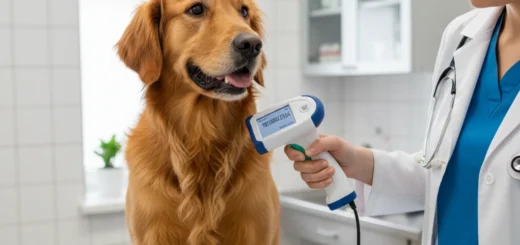
Furthermore, all dogs registered for the first time must be microchipped. This is a permanent form of identification that links the animal to the owner on the National Dog Database (NDD). This is distinct from the New Zealand Companion Animal Register (NZCAR), which is a privately run database often used by vets and the SPCA.
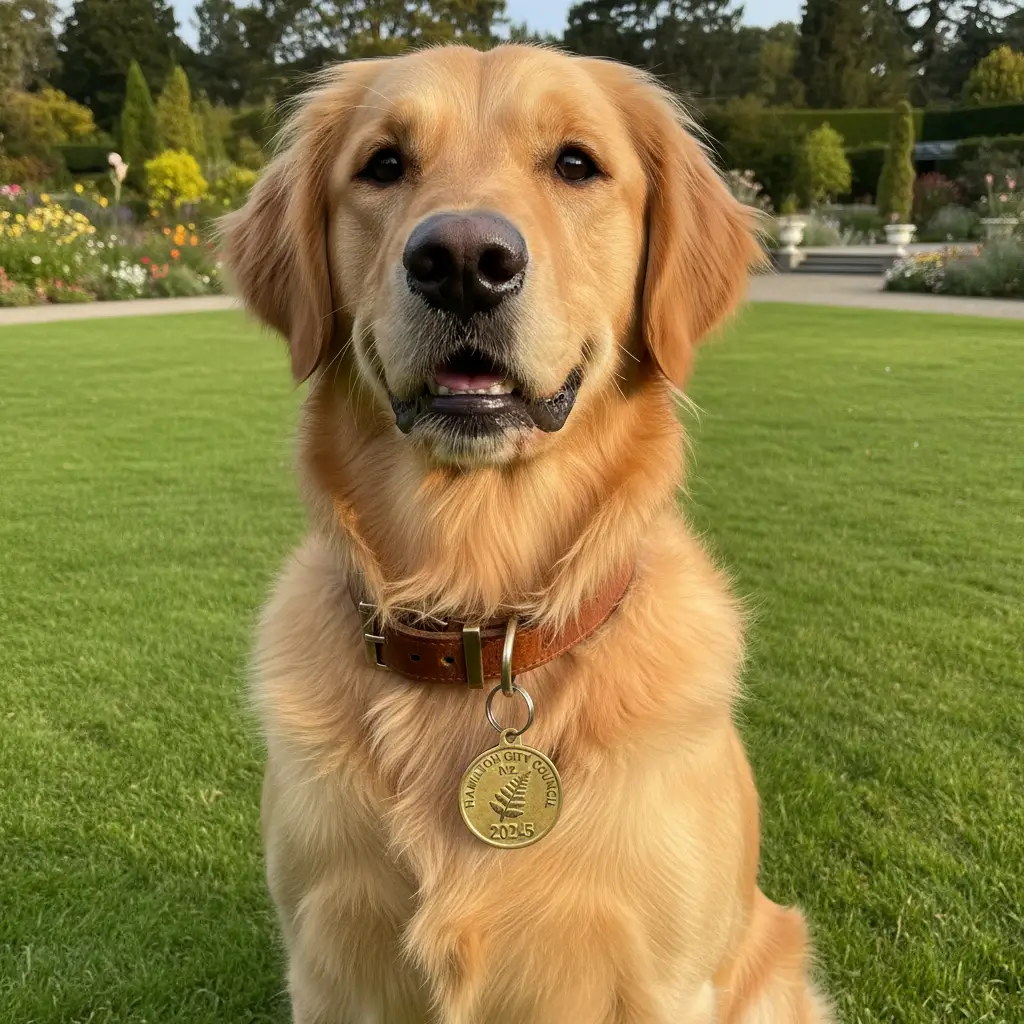
Impounded Dogs
If your dog is picked up by Animal Control, it will be taken to the Animal Education and Control Centre (the Pound). To release an impounded dog, you must:
- Pay the seizure fee.
- Pay the sustenance fee (daily board).
- Ensure the dog is registered and microchipped before release.
The facility is located in the industrial area of Frankton/Te Rapa. It is crucial to contact them immediately if your pet goes missing, as unclaimed dogs may be adopted out or euthanized after seven days.
Pest Management in the Waikato Region
While the Council manages dogs, the broader scope of “animal control” often implies pest management to homeowners. The Waikato region, with its mix of urban centers and rural farmland, faces specific pest challenges.
Rodent Control (Rats and Mice)
Hamilton’s gullies (like the Kirikiriroa Gully system) provide excellent corridors for native biodiversity, but they also act as highways for rats and mice. As the weather cools in autumn, rodent control inquiries spike. Homeowners are responsible for baiting and trapping on their own land. If you notice a significant infestation in public parks or reserves, this should be reported to the Council’s Parks and Reserves department, not the Animal Control unit.
Wasp Control
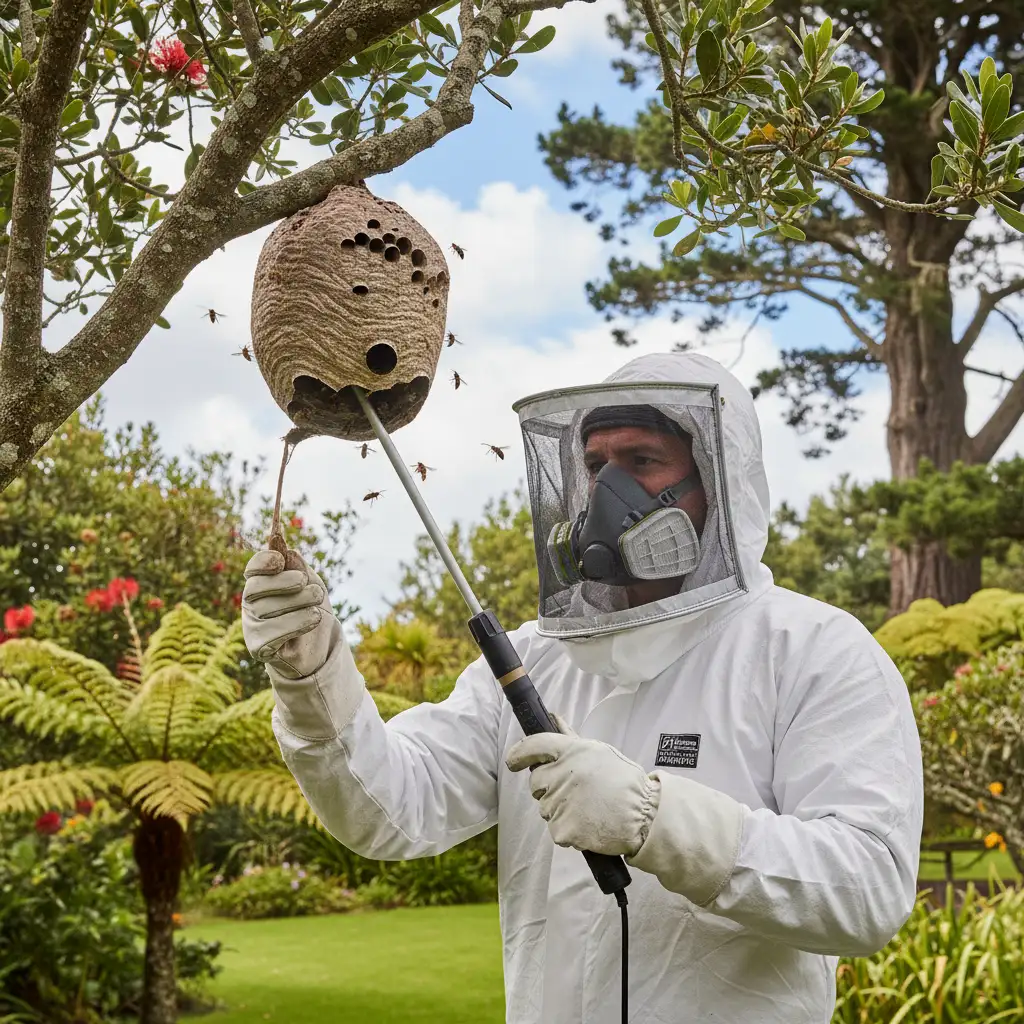
German and Common Wasps are prevalent in the Waikato. They pose a significant health and safety risk. The Council will generally only destroy wasp nests if they are located on Council-owned land (parks, berms, reserves) and pose an immediate danger to the public. If a nest is on your property, you must hire a private pest controller or purchase appropriate powder from a hardware store.
Possums and Mustelids
The Waikato Regional Council (distinct from the City Council) often oversees large-scale pest operations for environmental protection, targeting possums to prevent the spread of Bovine Tuberculosis and to protect native forests. For urban residents, possums are a nuisance, stripping fruit trees and nesting in roofs. Live capture traps are the humane standard for urban possum control.
Emergency Contact Numbers
In an emergency, having the right number can save lives or prevent serious injury. Please save these numbers if you live in the Waikato area.
- Hamilton City Council (24/7): 07 838 6699 (Use for dog attacks, stock on roads).
- Waikato District Council (24/7): 0800 492 452 (For areas outside Hamilton city limits like Ngaruawahia, Raglan, Tamahere).
- SPCA Hamilton Centre: 07 847 4868 (For welfare/cruelty).
- Department of Conservation (DOC) Hotline: 0800 362 468 (For injured native wildlife or seals).
- After-Hours Vet (Hamilton): 07 839 5656 (Typical contact for Hamilton After Hours Veterinary Hospital).
Lost and Found Procedures
Losing a pet is a traumatic experience. Following a systematic approach increases the likelihood of reunion.
If You Have Lost a Pet
- Check the Council Database: Call Animal Control immediately to see if a dog matching your description has been picked up.
- Social Media: Post on local community Facebook groups (e.g., “Lost Pets Hamilton NZ”). These are highly active and effective.
- NZCAR: If your pet is microchipped, contact NZCAR to flag the animal as lost and ensure your contact details are current.
- Visit the Shelter: Sometimes phone descriptions are inaccurate. Visit the Animal Control Centre in person if possible.
If You Have Found a Pet
If you find a stray dog, you are legally required to either return it to its owner (if the tag/collar info is available) or surrender it to Animal Control. You cannot keep a stray dog indefinitely. For stray cats, the situation is more complex as there are no leash laws for cats in NZ; however, if the cat is injured, contact the SPCA.

Jurisdiction: Hamilton City vs. Waikato District
A common point of confusion for animal control in Hamilton NZ is the boundary line. Hamilton City Council (HCC) covers the metropolitan area, including suburbs like Rototuna, Dinsdale, and Melville.
However, the Waikato District Council (WDC) surrounds the city and covers semi-rural areas that many assume are part of the city, such as Tamahere, Matangi, and Whatawhata. Each council has its own bylaws, registration fees, and control officers. If you live on the boundary, check your rates bill to see which Council you fall under before calling, as HCC officers cannot seize dogs in WDC territory and vice versa, except in specific cross-boundary operations.
Who do I call for a stray dog in Hamilton?
For a stray dog within Hamilton city limits, call the Hamilton City Council Animal Control unit on 07 838 6699. They operate 24 hours a day for roaming dogs that pose a risk. If the dog is friendly and has a tag, you may try contacting the owner directly first.
How much is dog registration in Hamilton NZ?
Dog registration fees vary depending on whether the dog is desexed, if you have a “Responsible Owner” license, and if you pay before the July 31st deadline. Standard fees typically range between $80 and $120 per year. Always check the current fee structure on the Hamilton City Council website.
Does the Council handle rat infestations?
No, the Hamilton City Council does not handle rat or mouse infestations on private property. Homeowners must hire private pest control contractors or manage the issue themselves using traps and bait. The Council only intervenes in public health risks on public land.
What constitutes a barking dog nuisance?
A barking dog becomes a legal nuisance when the noise is persistent, loud, and intrusive enough to disrupt the peace and comfort of neighbors. Occasional barking is not considered a nuisance. Council officers assess the frequency, duration, and timing of the barking to determine if an abatement notice is required.
Where is the Hamilton animal shelter located?
The Hamilton City Council Animal Education and Control Centre is located at 217 Ellis Street, Frankton, Hamilton. It is open to the public for reclaiming dogs and adoption inquiries during specific business hours, usually Monday to Friday and limited hours on weekends.
Who handles injured wildlife in Waikato?
For injured native wildlife (such as tui, kereru, or seals), contact the Department of Conservation (DOC) on 0800 362 468. For non-native injured animals or general welfare cases, contact the SPCA or a local veterinary clinic.