Hamilton Dog Control Bylaws
The Hamilton City Council Dog Control Bylaw requires all dogs to be registered annually by July 1st, microchipped, and kept under effective control at all times. Owners must carry bags to remove faeces immediately, keep dogs on a leash in designated public areas, and ensure their pets do not cause a nuisance through barking or aggression.
Owning a dog in Hamilton, New Zealand, comes with significant responsibilities outlined in the local Dog Control Bylaw and Policy. Whether you are a new puppy parent or a long-time resident, understanding these regulations is crucial not only to avoid hefty fines but to ensure the safety and enjoyment of the community. The Hamilton City Council (HCC) strictly enforces these rules to balance the needs of dog owners with the general public.
This comprehensive guide breaks down the legal jargon into actionable advice, covering everything from leash laws in the CBD to the specific fines for failing to pick up after your pet. By adhering to these standards, you contribute to a dog-friendly culture across the Waikato region.
Key Rules Every Dog Owner Must Know
The foundation of responsible dog ownership in Hamilton is built upon the Dog Control Act 1996 and the local 2021 Bylaw. Compliance begins with the administrative basics before you even step foot in a park. Ignoring these fundamental requirements is the most common reason for infringement notices.
Registration and Microchipping
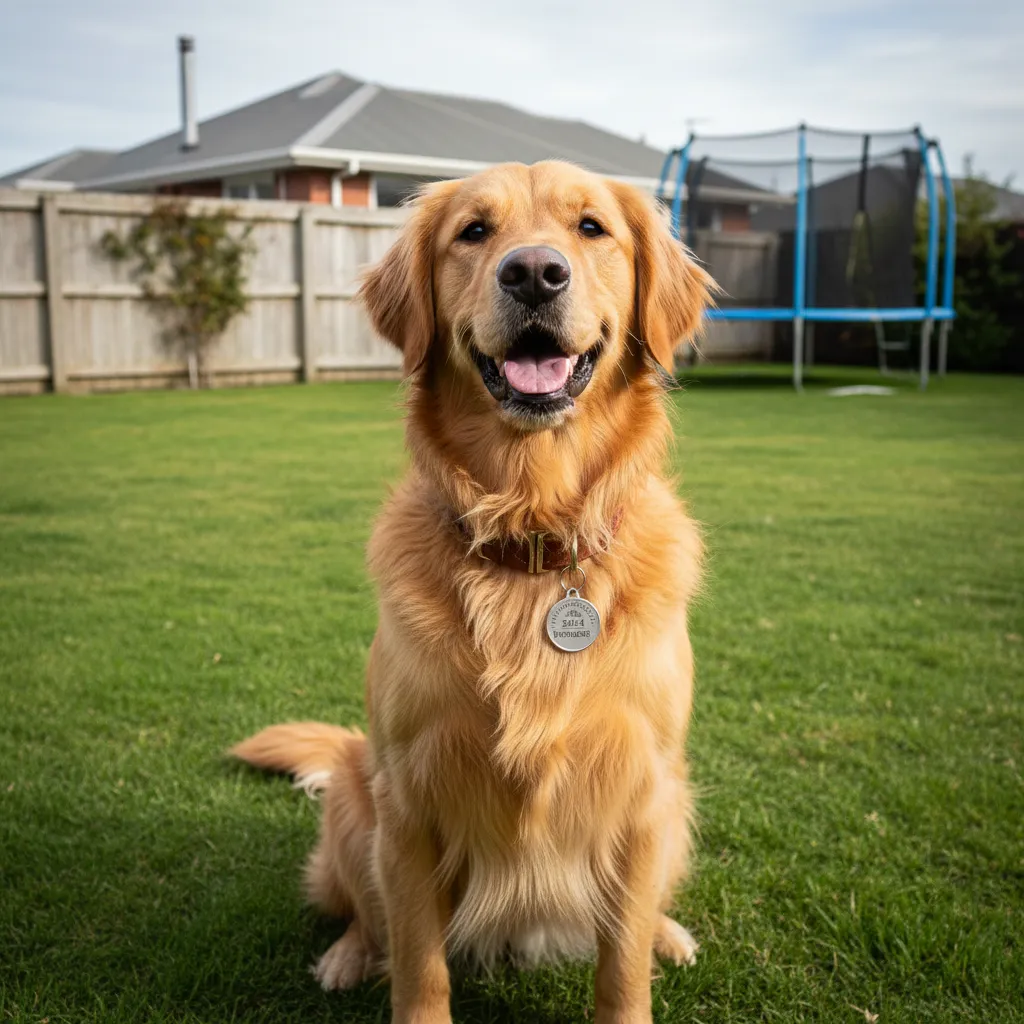
Every dog over the age of three months must be registered with the Hamilton City Council. The registration year runs from 1 July to 30 June. Failure to register your dog by the deadline incurs a penalty fee on top of the standard registration cost. Once registered, your dog will be issued a tag that must be worn at all times.
Furthermore, all dogs registered for the first time (except working farm dogs) must be microchipped within two months of registration. This provides a permanent form of identification that links the animal to the owner in the National Dog Database, ensuring that if your pet is lost or stolen, they can be returned to you swiftly.
The Concept of “Effective Control”
A recurring term in the bylaws is “effective control.” Even in off-leash areas, you are legally required to have control over your dog. This means your dog must return to you immediately upon command. If your dog chases wildlife, approaches strangers aggressively, or ignores recall commands, they are not under effective control, and you may be liable for an infringement.
Leash Requirements in Public Spaces
Hamilton adopts a zoned approach to leash laws. The default expectation in many urban environments is that dogs should be tethered, but the city also provides ample space for free running. Knowing the difference between these zones is essential.
When is a Leash Mandatory?
In Hamilton, you must keep your dog on a leash in the following scenarios:
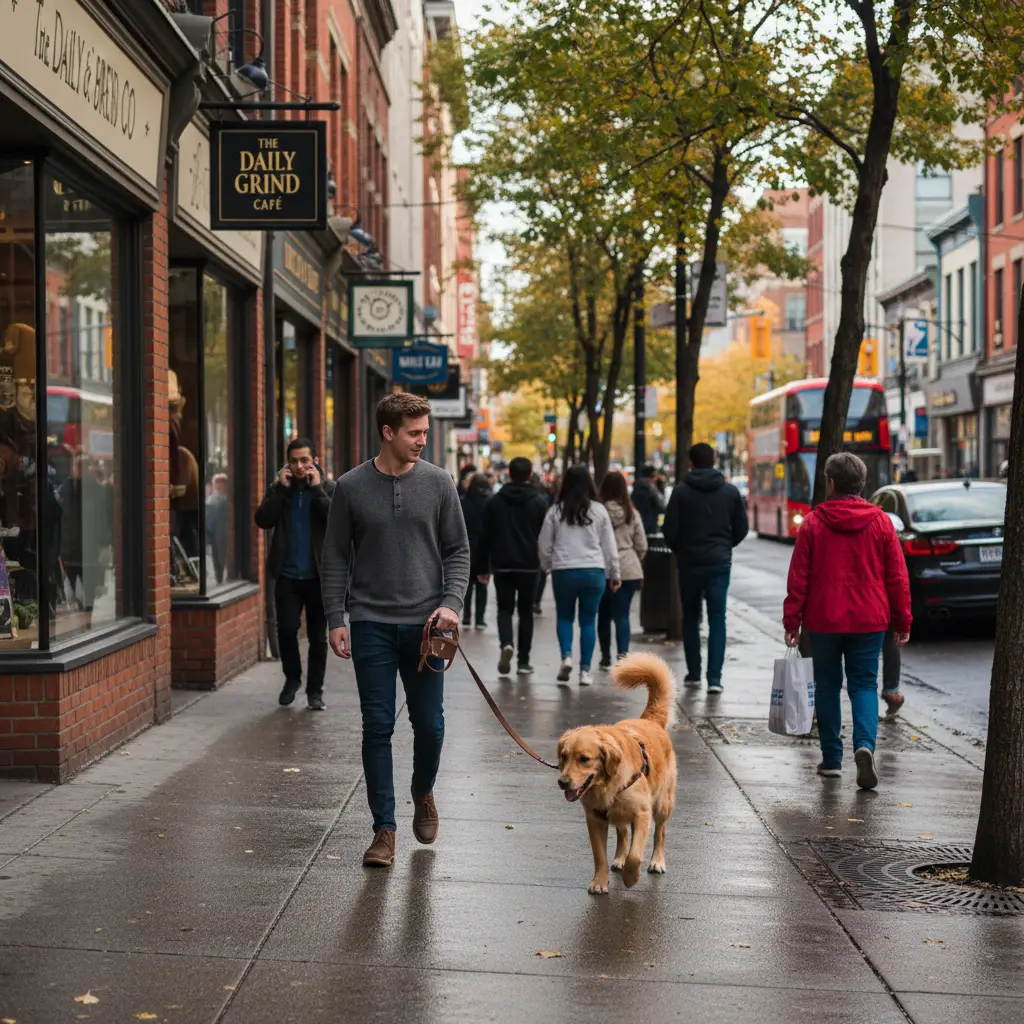
- Public Footpaths and Pavements: Anywhere in the city, if you are walking on the roadside or footpath, your dog must be leashed.
- The Central Business District (CBD): Due to high foot traffic, dogs must be leashed in the city center.
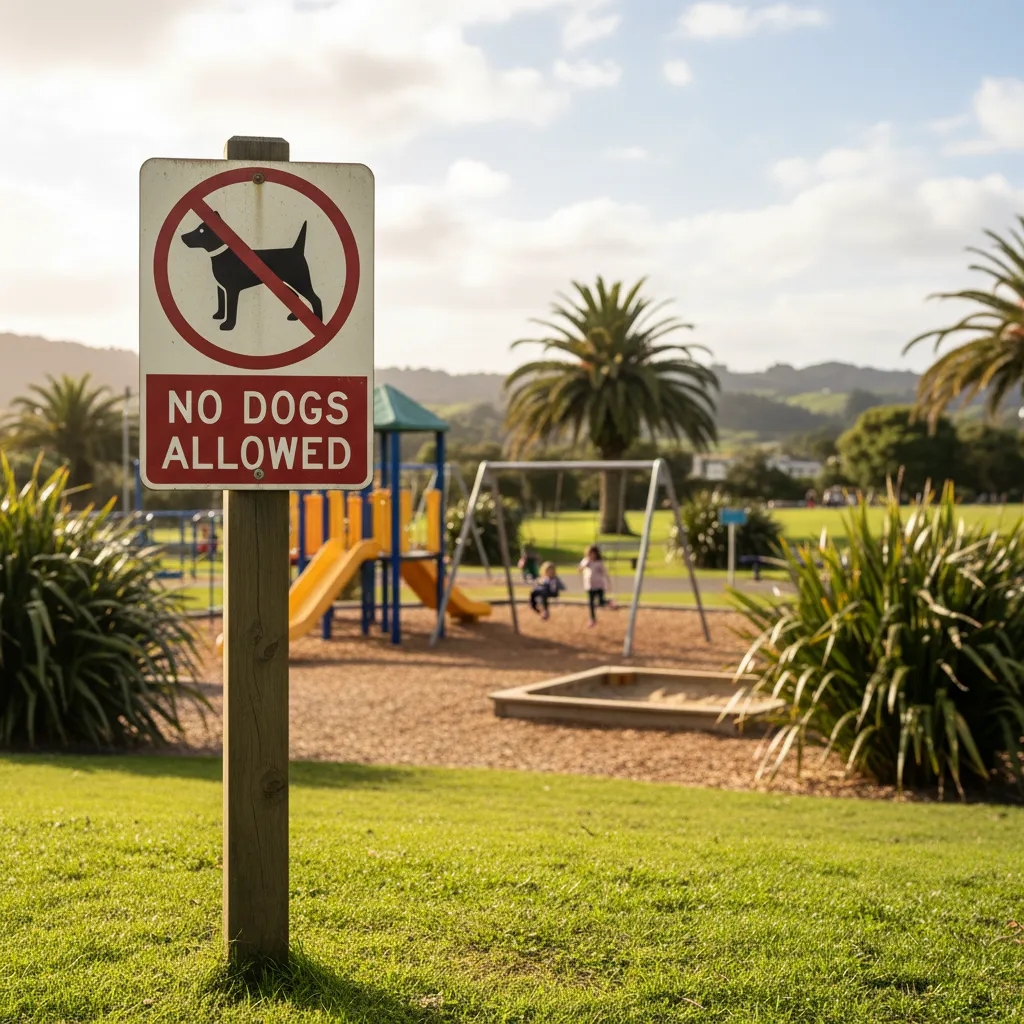
- Near Playgrounds: Dogs must be leashed if they are within the vicinity of a children’s playground, even if the playground is situated within an off-leash park.
- Sports Fields: While games are not in progress, dogs are often allowed but usually required to be leashed near the boundaries or car parks.
Designated Off-Leash Exercise Areas
Hamilton City Council has designated numerous parks as “Dog Exercise Areas” where pets can run free, provided they remain under effective control. Popular spots include:
- Days Park: A favorite for river access.
- Innes Common: Great for open running near the lake.
- Resthills Park: Offers vast open spaces.
In these areas, you must still carry a leash with you. You must be able to restrain your dog immediately if requested by an Animal Control Officer or if a dangerous situation arises.
Prohibited Areas for Dogs in Hamilton
Despite being a dog-friendly city, there are specific “No Dog Zones” established to protect public health, wildlife, and community assets. Bringing a dog into these areas can result in an immediate fine.
Hamilton Gardens
While dogs are permitted in the wider parklands of the Hamilton Gardens (on-leash), they are strictly prohibited from the Enclosed Gardens. These themed gardens are delicate environments, and the presence of dogs poses a risk to the plants and the experience of other visitors. Service dogs are the only exception to this rule.
Hamilton Zoo and Waiwhakareke Natural Heritage Park
To ensure the safety of the zoo animals and the biosecurity of the heritage park, dogs are not allowed in these precincts. The scents and sounds of dogs can distress zoo animals, and the Heritage Park is a sanctuary for native wildlife that could be threatened by canine predators.
Sports Surfaces and Playgrounds
Dogs are prohibited from being on the playing surface of sports fields while organized sports are in progress. Additionally, dogs are generally banned from entering the immediate play area of children’s playgrounds (within the fenced or soft-fall area) to prevent sanitation issues and protect children from potential aggression.
Cleaning Up After Your Dog: Fines & Rules
One of the most frequent complaints received by the Hamilton City Council concerns dog faeces. The bylaw regarding this is strict and unambiguous: you must remove your dog’s droppings immediately from any public place.
The Requirement to Carry Bags
It is not enough to simply say you will pick it up later. Under the bylaws, you are required to carry a suitable receptacle (plastic bag or scooper) for the removal of faeces whenever you are in public with your dog. Animal Control Officers have the authority to ask you to show them your bags. Failing to produce a bag can result in a warning or a fine, even if your dog hasn’t defecated yet.
Fines for Fouling
Failure to remove dog faeces is an infringement offence under the Dog Control Act 1996. The infringement fee is set nationally at $300. This applies to parks, footpaths, berms, and even your neighbor’s property if your dog wanders onto it. Responsible disposal means placing the tied bag in a public rubbish bin or taking it home to your own red bin.
Managing Nuisance and Barking Issues
A dog that barks loudly and persistently can be classified as a nuisance under the bylaws. The Council does not expect dogs to be silent, but the barking must not be of such a nature or duration that it disturbs the peace and comfort of the neighborhood.
The Complaint Process
If a neighbor lodges a complaint about your dog barking:
- Initial Assessment: Animal Control will usually ask the complainant to keep a log of the barking.
- Education: An officer may visit you to discuss the issue and suggest solutions (e.g., enrichment toys, training, or reducing time spent alone).
- Abatement Notice: If the problem persists, a formal notice may be issued requiring you to stop the nuisance.
- Seizure: In extreme cases where notices are ignored, the Council has the power to seize the dog or issue fines.
Classifications: Menacing and Dangerous Dogs
Hamilton City Council enforces stricter rules for dogs that have been classified as “Menacing” or “Dangerous.” These classifications can be based on breed (e.g., American Pit Bull Terrier types) or deed (past aggressive behavior).
Specific Requirements
If your dog falls into these categories, you must adhere to the following:
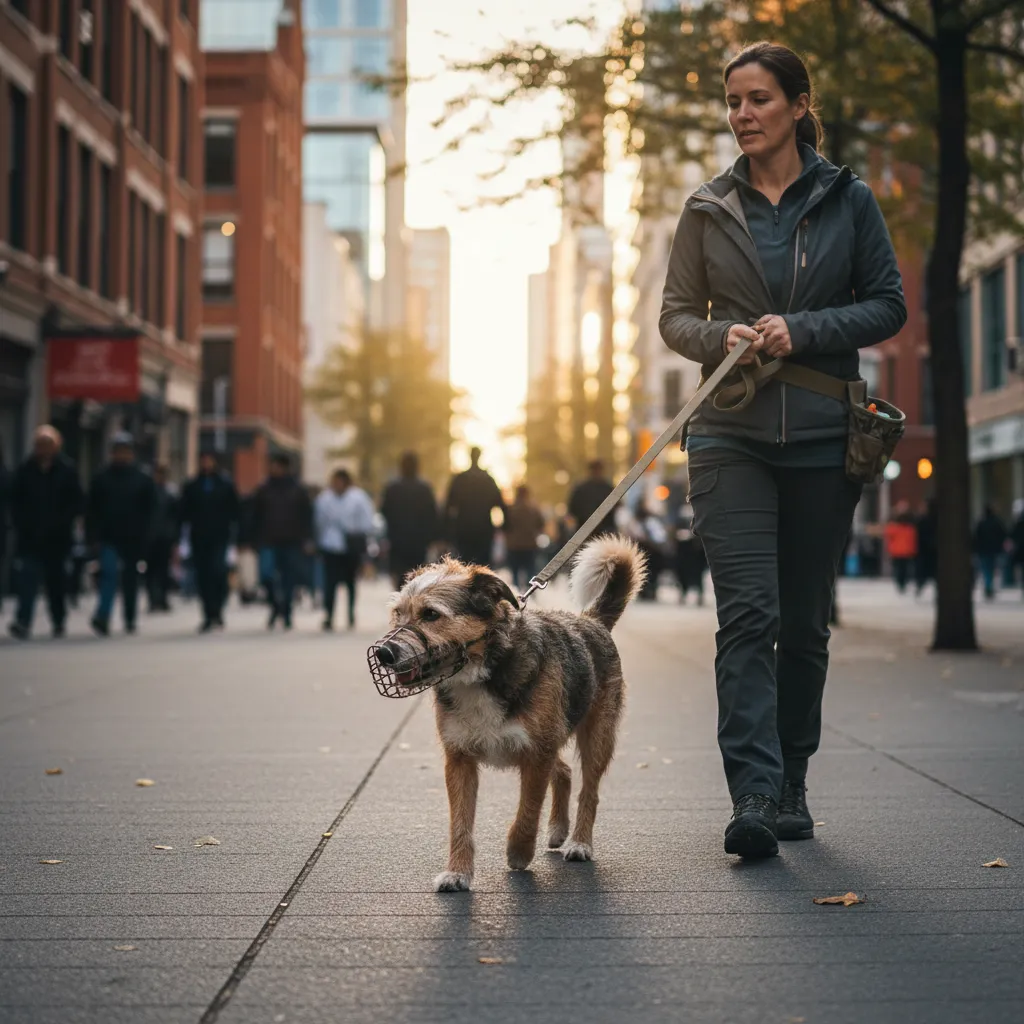
- Muzzling: The dog must be muzzled in all public places.
- Neutering: The dog must be neutered within one month of classification.
- Secure Fencing: The property where the dog resides must have secure fencing that prevents the dog from leaving and restricts access to the front door by the public.
- Microchipping: Mandatory immediate microchipping.
Impounding and Infringement Fees
If a dog is found wandering at large (roaming without an owner), it may be impounded at the Hamilton Animal Control facility. To release an impounded dog, the owner must pay a release fee, plus a daily sustenance fee for every day the dog was held.
Furthermore, if the dog is not currently registered, it must be registered before it can be released. Infringement notices (fines) range from $100 to $750 depending on the offense (e.g., failure to register, failure to control, failure to muzzle). Repeat offenders may face prosecution and disqualification from dog ownership.
People Also Ask
Where can I walk my dog off-leash in Hamilton?
Hamilton has many designated off-leash areas, including Days Park, Innes Common, Resthills Park, and Pukete Farm Park. In these areas, your dog can run free but must remain under effective control (respond to voice commands) at all times.
How much is the fine for not registering a dog in Hamilton?
Failing to register your dog incurs a $300 infringement fee under the Dog Control Act 1996. This is in addition to the cost of the registration itself. Late payments for registration renewals also attract a penalty fee added to the standard registration cost.
Are dogs allowed in the Hamilton Gardens?
Dogs are allowed in the public parklands of Hamilton Gardens provided they are on a leash. However, dogs are strictly prohibited from entering the Enclosed Gardens (the themed garden areas), the cafe areas, and the Information Centre, unless they are certified assistance dogs.
What happens if my dog barks all day?
If your dog causes a noise nuisance, neighbors can complain to the Council. You may receive an Abatement Notice requiring you to stop the nuisance. Failure to comply can result in a $200 fine, seizure of the dog, or prosecution.
Do I have to microchip my dog in Hamilton?
Yes, all dogs registered for the first time after 1 July 2006 must be microchipped. This applies to all dogs except working farm dogs. Microchipping must be done within two months of registration, and the microchip number must be provided to the Council.
Can I take my dog to the Hamilton CBD?
Yes, you can take your dog into the Hamilton Central Business District (CBD), but it must be kept on a leash at all times. You must also ensure the dog does not cause a nuisance to pedestrians or enter businesses where they are not permitted (e.g., food premises).