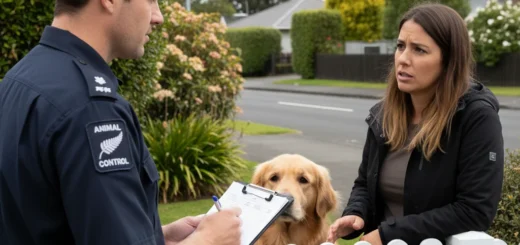
Dog registration in Hamilton is a mandatory annual requirement under the Dog Control Act 1996. All dogs over three months old must be registered with the Hamilton City Council by 1 July each year. Failure to register by the deadline results in significant penalties, while compliance funds essential animal control services and community safety initiatives.
Why Dog Registration is Mandatory in Hamilton
Registering your dog is not merely a bureaucratic formality; it is a fundamental aspect of responsible pet ownership in New Zealand. For residents of Hamilton, the registration process serves as the primary mechanism for the Hamilton City Council (HCC) to manage the canine population effectively, ensuring public safety and animal welfare.
Under the Dog Control Act 1996, every dog owner is legally obligated to register their animal once it reaches three months of age. This national legislation is enforced locally by the Council’s Animal Education and Control unit. The primary purpose of this database is to link every dog to an owner, creating a system of accountability and protection.
When you pay your registration fees, you are directly funding services that benefit the entire community. These funds are not absorbed into general rates but are ring-fenced for animal management. This includes:
- Reuniting Lost Dogs: A registered dog wearing a council tag can be immediately identified. Animal Control Officers can access the database 24/7 to find your contact details and return your pet, often avoiding a trip to the pound.
- Animal Shelter Operations: Maintaining the Animal Control facility where stray, lost, or menacing dogs are housed safely.
- Public Safety Enforcement: Responding to dog attacks, aggressive behavior complaints, and barking nuisances.
- Education Programs: Funding school visits and community programs to teach bite prevention and responsible ownership.
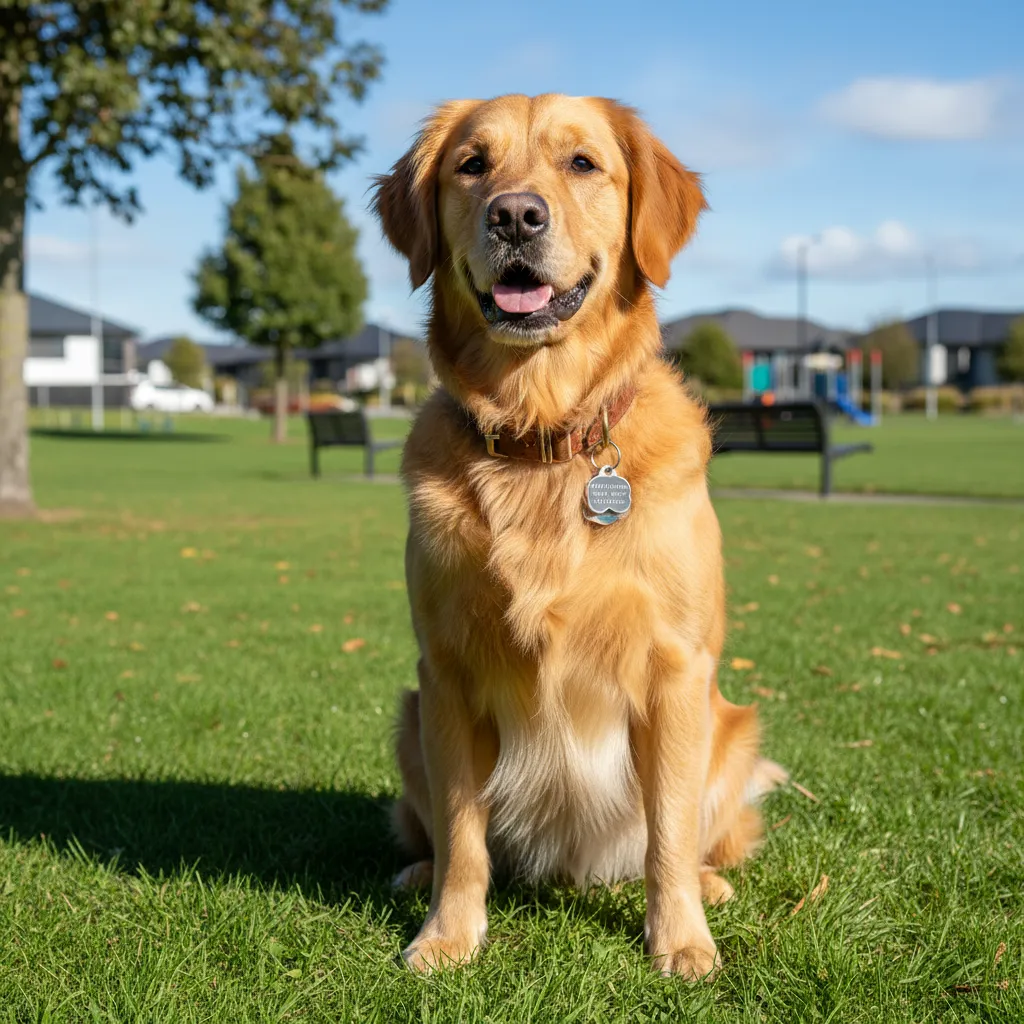
Annual Registration Fees and Deadlines (July)
Understanding the fiscal cycle of dog registration is critical for Hamilton residents to avoid unnecessary penalties. The registration year runs from 1 July to 30 June. Regardless of when you register your dog during the year, the registration will expire on 30 June.
When is the Payment Due?
While the registration year begins on 1 July, the Hamilton City Council typically sends out renewal notices in June. The strict deadline for payment without penalty is usually 31 July. Payments made after this date attract a substantial late penalty fee, which is legally set at 50% of the applicable registration fee.
Fee Structure Breakdown
Hamilton’s fee structure is designed to incentivize responsible ownership and desexing. The costs are generally categorized as follows:
- Standard Fee: The base rate for a dog that is not desexed and whose owner does not hold Responsible Dog Owner status. This is the most expensive category.
- Desexed Dog Fee: Owners who provide veterinary certificates proving their dog has been spayed or neutered receive a discount. This encourages population control and reduces aggression issues.
- Responsible Dog Owner (RDO) Fee: This offers the lowest rate. It is a special status granted to owners with a proven track record of compliance (more on this in the RDO section).
- Working Dog Fee: Specific to dogs kept solely for herding or driving stock. These fees are significantly lower due to the economic utility of the animals.
- Dangerous/Menacing Dog Fee: Dogs classified as dangerous or menacing (by breed or deed) attract a higher registration fee, often 150% of the standard rate, reflecting the higher management burden they place on Animal Control.
How to Register or Renew Online
The Hamilton City Council has streamlined the process to make dog registration hamilton as frictionless as possible. Whether you are registering a new puppy or renewing an existing registration, the digital portal is the most efficient method.
Registering a New Dog
If you have acquired a new dog or your puppy has turned three months old, you must register them immediately. You will need:
- Personal Details: Your full name, date of birth, and contact information.
- Dog Details: Breed, color, gender, and age.
- Microchip Number: If the dog is already microchipped (which is mandatory for dogs registered after 2006).
- Desexing Certificate: A digital copy or photo of the vet certificate if applying for the desexed discount.
Renewing Existing Registration
For renewals, the process is even faster. You will typically receive a registration pack in the mail or via email containing a Dog ID or Reference Number.
1. Visit the Hamilton City Council website and navigate to the “Dogs and Animals” section.
2. Select “Renew Dog Registration.”
3. Enter your Dog ID/Reference Number and your date of birth.
4. Review your details. If you have moved house or changed phone numbers, update them now.
5. Pay securely using a credit card or online banking (Account-to-Account).
Once payment is processed, the new plastic registration tag (the color changes every year) will be mailed to your address within 10 working days.

Understanding Dog Classifications (Working, Menacing, Dangerous)
Not all registrations are treated equally. The Dog Control Act 1996 categorizes dogs based on their function, breed, and history. It is vital to understand where your dog fits, as this dictates your fees and legal obligations.
Working Dogs
A “working dog” is strictly defined. It is not merely a dog that goes to work with you; it must be kept solely or principally for the purpose of herding or driving stock. Police dogs, disability assist dogs, and customs dogs also fall under specific exemptions. Working dogs usually enjoy lower registration fees because they are considered economic assets rather than companion animals.
Menacing Dogs
A dog can be classified as menacing under two sections of the Act:
- By Breed (Section 33C): The dog belongs wholly or predominantly to one of the five banned breeds/types: Brazilian Fila, Dogo Argentino, Japanese Tosa, Perro de Presa Canario, or American Pit Bull Terrier.
- By Deed (Section 33A): The Council believes the dog may pose a threat to any person, stock, poultry, domestic animal, or protected wildlife based on observed behavior.
Requirements: Menacing dogs must be muzzled in public and neutered. Registration fees are generally equivalent to the standard non-desexed rate, regardless of desexing status.
Dangerous Dogs
This is a severe classification usually resulting from a prosecution after a serious attack. A dog classified as dangerous must be kept in a securely fenced area that allows visitors safe access to the front door. They must be muzzled and leashed in public and must be desexed. The registration fee is significantly higher (150% of the standard rate) to cover the cost of regular compliance inspections by Animal Control Officers.
Becoming a Responsible Dog Owner (RDO)
For Hamilton dog owners, achieving Responsible Dog Owner (RDO) status is the “gold standard.” It acknowledges owners who consistently comply with bylaws and care for their pets effectively. The primary benefit is a significantly reduced annual registration fee.
Criteria for RDO Status
To qualify, you generally need to meet the following conditions:
- You must have been a registered dog owner in New Zealand for at least one year prior to application.
- You must have a clean record with Animal Control for the preceding year (no impoundments, no substantiated complaints, no infringement notices).
- You must pay your registration fees by the due date every year.
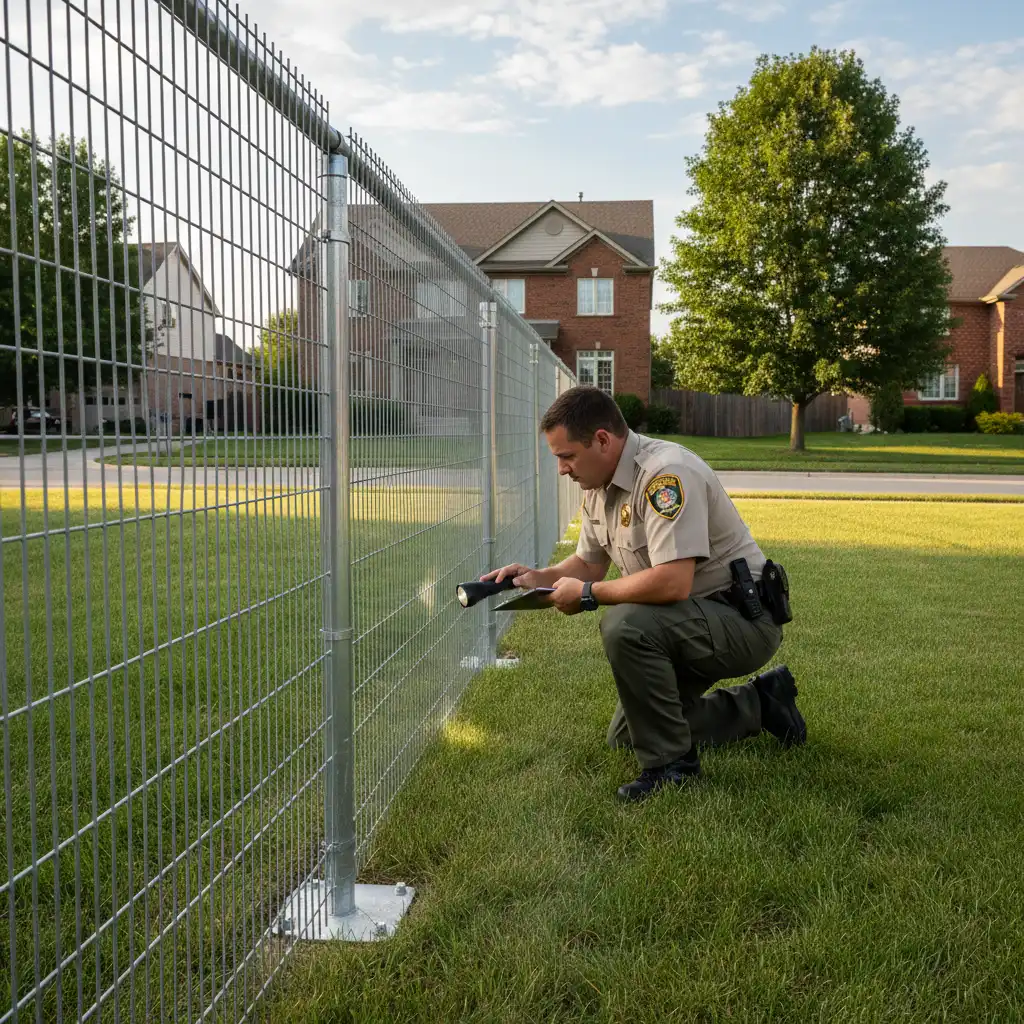
- Your property must have adequate fencing to contain the dog freely and safely.
- Your dog must be microchipped and the number lodged with the Council.
Applications for RDO status usually close a few months before the registration year begins (often in April or May). Once approved, you retain the status automatically unless you breach the conditions (e.g., late payment or a wandering dog).
Fines and Penalties for Non-Compliance
The Hamilton City Council takes non-compliance seriously. The Animal Control & Pest Management sector in New Zealand operates under strict liability for many dog offenses.
Failure to Register
If you fail to register your dog by the deadline, two things happen:
- Late Penalty: A 50% penalty is added to the registration fee.
- Infringement Notice: You may be issued a fine of $300 for keeping an unregistered dog (Section 42 of the Dog Control Act).
Furthermore, an unregistered dog can be seized and impounded by Animal Control Officers. You will not be able to reclaim the dog until all registration fees, late penalties, and pound fees are paid in full.
Failure to Provide Information
It is an offense to provide false information on your registration form or to fail to notify the Council of a change in ownership or address within 14 days. This ensures the integrity of the dog registration hamilton database.

Microchipping vs. Registration
A common point of confusion for new owners is the difference between microchipping and registration. They are two separate legal requirements.
Registration is the annual fee paid to the Council, represented by the colored tag on the collar. It funds animal management services.
Microchipping is a permanent method of identification. A tiny chip is inserted under the dog’s skin by a vet. Since 1 July 2006, all dogs registering for the first time (mostly puppies) must be microchipped. While the microchip itself is permanent, the number must be recorded on the Council’s registration database to be effective. If your dog is picked up without a collar, a scanner can read the chip, allowing officers to look up your registration details and contact you.
Note: Working farm dogs are exempt from the microchipping requirement, provided they are kept solely for working purposes.
Frequently Asked Questions
How much is dog registration in Hamilton?
Fees vary annually and depend on the dog’s status. As of recent schedules, a standard dog costs approximately $120-$140, while a desexed dog is around $90-$100. Responsible Dog Owners (RDO) pay significantly less, often around $65-$75. Always check the current year’s fee schedule on the Hamilton City Council website for exact figures.
Can I register my dog online in Hamilton?
Yes, the Hamilton City Council offers a comprehensive online portal. You can register a new puppy or renew an existing registration using a credit card or Account-to-Account banking. You will need your dog’s details, microchip number, and any desexing certificates ready to upload.
What happens if I don’t register my dog in NZ?
Failure to register your dog is a breach of the Dog Control Act 1996. You will be charged a late penalty (50% of the fee) and issued a $300 infringement fine. Additionally, unregistered dogs can be seized and impounded by Animal Control, incurring further release and sustenance fees.
How do I become a Responsible Dog Owner in Hamilton?
To gain RDO status, you must apply to the Council before the registration year begins (usually by April/May). You need a clean history of dog ownership for at least 12 months (no complaints or impounds), timely payment of previous fees, a microchipped dog, and a property inspection to ensure secure fencing.
Do I need to register my puppy before 3 months?
No, you are legally required to register your puppy once they turn three months (12 weeks) old. However, you can register them earlier if you wish. Until they are registered, they should not be taken into public areas where they might be approached by Animal Control officers.
Is microchipping the same as registration?
No. Microchipping is a one-time procedure to implant an ID chip, while registration is an annual fee paid to the Council. However, they are linked; you must provide your microchip number to the Council when registering your dog so the two records are connected for identification purposes.